TP-Link Router Login: Default IP & Password 2026
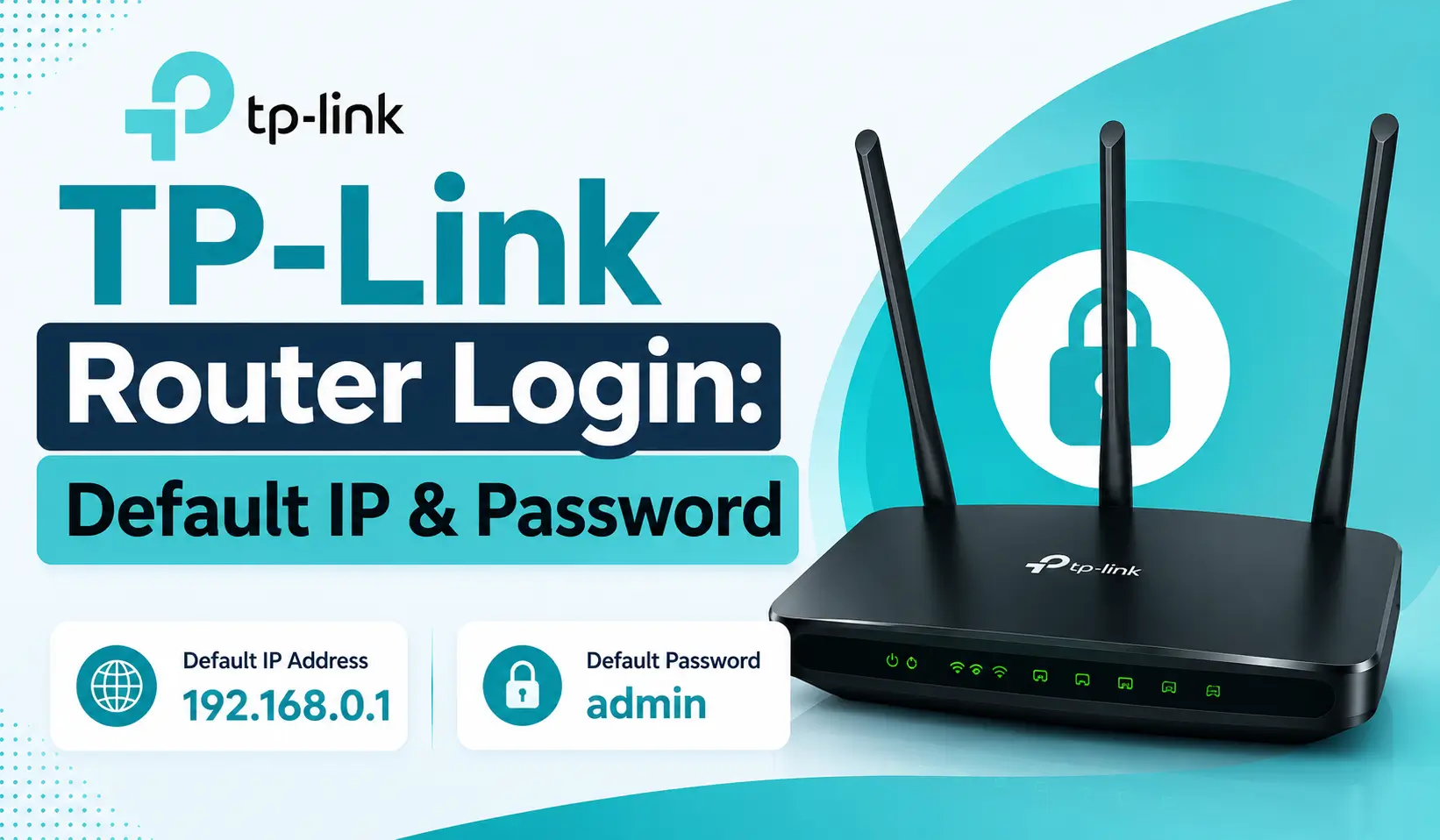
TP-Link Router Login. Getting into your TP-Link router settings does not have to be complicated. Whether you are trying to fix slow speeds, change your Wi-Fi password, or just explore what your router can do it all starts from the same login page.
This guide walks you through the entire process step by step, from connecting your device to troubleshooting when things go wrong, so you can get in and get things done without the frustration.
Default IP for TP-LINK
Not all TP-Link routers use the same login address. Here is a breakdown of the most common default IP addresses used across TP-Link router models:
| IP Address / URL | Usage Share |
|---|---|
| 192.168.1.1 | 48% |
| 192.168.0.1 | 47% |
| 192.168.0.254 | 3% |
| 192.168.1.253 | 1% |
| tplogin.cn | 1% |
| tplinkwifi.net | 0% |
Check your local IP first and match it to the list above. Click the correct one and you will be redirected straight to the router admin interface.
The default login credentials that work across most TP-Link devices are:
| Field | Default Value |
|---|---|
| IP Address | 192.168.0.1 |
| Username | admin |
| Password | admin |
These default logins are also printed on the label on the bottom or side of your router, so flip the device over if you are unsure.
Key Takeaways
Before diving in, here are the most important things to keep in mind:
- The admin panel is reachable via
tplinkwifi.netor192.168.0.1both work. - You must be connected to the router first, either through an Ethernet cable or Wi-Fi, before the login page will load.
- Chrome, Firefox, and Edge offer the best compatibility with the web management page. Older browsers can cause login failures or missing features.
- Newer TP-Link models require you to create a custom admin password on first login. Older models use
adminas both the default username and password. - If you prefer managing your router from a phone, the TP-Link Tether app is a solid browser-free alternative.
Required Devices
You do not need anything special to access the TP-Link login page. It works on any of the following:
- Computer
- Laptop
- Tablet
- Mobile Device
The only hard requirement is having an active TP-Link connection before you proceed. Without a physical or wireless link to the router, the login page simply will not load regardless of what device you are using.
TP-Link Router Login Easy Steps
Step 1: Get Connected
Connect your phone or PC to the router’s Wi-Fi network, or plug directly into one of the router’s LAN ports using an Ethernet cable. If this is a first-time setup and you do not know the default Wi-Fi name or password, check the router label it is printed right there. No internet access is needed, just a physical connection to the device.
A wired connection is always recommended when changing wireless settings or performing firmware updates it keeps you from being kicked off mid-setup.
Step 2: Open the Login Page
Launch Chrome, Safari, or Edge and type one of the following directly into the address bar not the search bar:
tplinkwifi.net192.168.0.1192.168.1.1192.168.0.254
If your browser shows a “Privacy Error” or “Your connection isn’t private” warning, that is completely normal. TP-Link’s web interface uses a self-signed HTTPS certificate rather than one issued by a trusted authority. Your connection stays secure. Simply click Advanced, then Proceed to move past it.
Step 3: Enter Your Credentials
What you see on the login screen depends on your situation:
| Situation | What To Do |
|---|---|
| First-time setup (new models) | Create a new secure admin password |
| Older models | Enter admin for both username and password |
| Returning users | Enter the local password set during initial setup |
| TP-Link ID users | Toggle to cloud login and use your TP-Link account credentials |
If you have forgotten your local admin password, there is no recovery option. A factory reset is the only way back in.
Once logged in, the full web interface and control panel open up and you can begin your configuration.
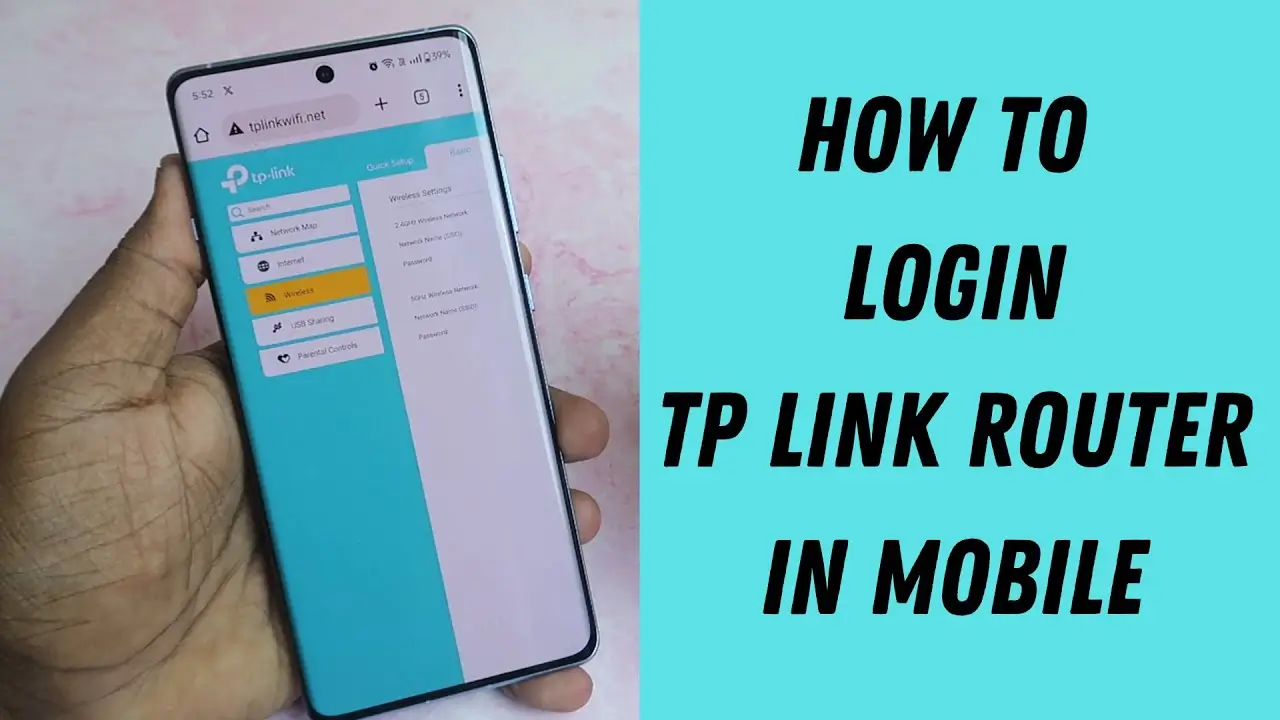
TP-Link Router Login Video Guide
This Video is created other creator on YouTube not me. I Also Provide this video for Educational Purpose only.
Troubleshooting Login Issues/Troubleshooting: Can’t Reach the Login Page?
TP-Link makes high-quality routers, but even the best hardware cannot save you from a login page that refuses to load. Work through the checklist below before assuming something is seriously wrong:
| Problem | Fix |
|---|---|
tplinkwifi.net not loading | Try 192.168.0.1 or 192.168.1.1 directly in the address bar |
| VPN or proxy active | Disable it it silently reroutes traffic away from your router’s local login IP |
| Connected to wrong network | Make sure you are not on a mobile network or a separate modem |
| Browser throwing errors | Clear your cache or switch to Chrome, Firefox, or Edge |
| Browser extensions interfering | Try an alternate browser with no extensions installed |
| Wireless connection unstable | Plug directly into the router with an Ethernet cable |
| Problem isolated to one device | Try logging in from a different smartphone, tablet, or computer |
If none of the above works, the TP-Link Tether app gives you mobile access to your router’s setup and manage functions without needing a browser at all.
Reset your TP-Link Router
Before going for a full reset, always test whether a simple reboot fixes the problem first. Many minor issues clear up without ever touching the reset button.
If a reboot does not help, follow the 30-30-30 reset method the most reliable reset sequence across router manufacturers:
Step 1: Locate the Reset Button
Find the reset button on the backside of your TP-Link router. It is usually recessed inside a small concealed hole to prevent accidental presses. On some models it sticks out, and in rare cases the WPS button acts as the reset button during the reset sequence.
Step 2: Press and Hold
- With the router powered on, press and hold the reset button for 30 seconds
- Without releasing, cut the power supply and hold for another 30 seconds
- Still holding, restore power and continue for a final 30 seconds
- When the lights blink, factory settings have been successfully restored
Step 3: Reconfigure
After the reset, log back in using the default credentials not your old custom password. Then set a new admin password straight away and reconfigure your router settings from scratch.
If your router continues misbehaving after the 30-30-30 reset, the hardware itself may be damaged and worth sending in for repairs.
TP-Link Router Still not Working
If the 30-30-30 reset did not bring your router back and it is still misbehaving, the issue likely goes beyond a software or configuration problem. A damaged router will not respond to resets no matter how carefully you follow the steps.
At that point, your realistic options are:
- Send it in for repairs: worth trying if the router is still under warranty
- Replace it: a new router means a clean slate, no latency, no failed login attempts, and a network connection that actually cooperates
One thing to check before writing the router off entirely: after any factory reset, always use the default username and password to log back in: not your previous custom credentials. It is one of the most common reasons users think their router is broken when the actual problem is just the wrong login details.
Protect Your Wi-Fi Network
Getting into your router is only half the job. What you do once you are inside matters just as much. Here is what to lock down straight away:
- Change the default admin password immediately: credentials like
admin/adminare publicly known and leave your control panel wide open - Use a strong password: mix in numbers and special characters to make it significantly harder to hack
- Update your Wi-Fi password too: unique passwords that do not follow predictable patterns are far more difficult to crack
- Rotate your passwords occasionally: this minimizes the window of exposure if your credentials are ever compromised
Network security is not a one-time setup task. It is an ongoing habit that keeps unauthorized access out and your connection genuinely secure. A network with an impregnable, strong password is a network that is very difficult to compromise and that peace of mind is worth the five minutes it takes to set up.